Advantages
。Great for features and prototypes
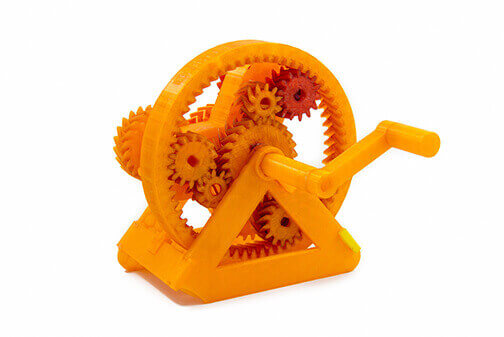
。Complex geometries
。Small batch production is possible
。Rapid production
。High-strength materials
。Fast and flexible
Applications
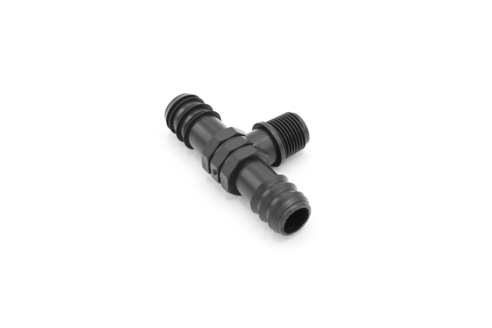
。Complex piping systems
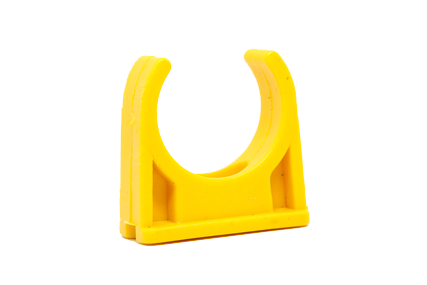
。Snap-on design
。Movable hinge
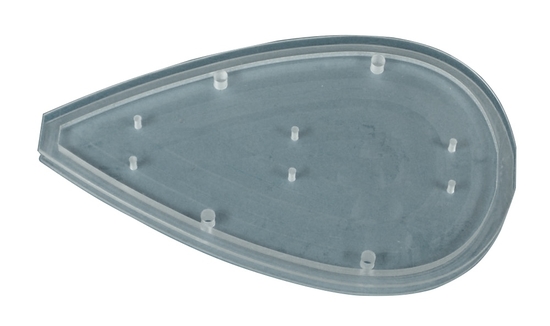
。Thin-walled components
。Flame retardant parts
。Under-hood components
。Aerospace production parts
Thermoplastic 3D Printing
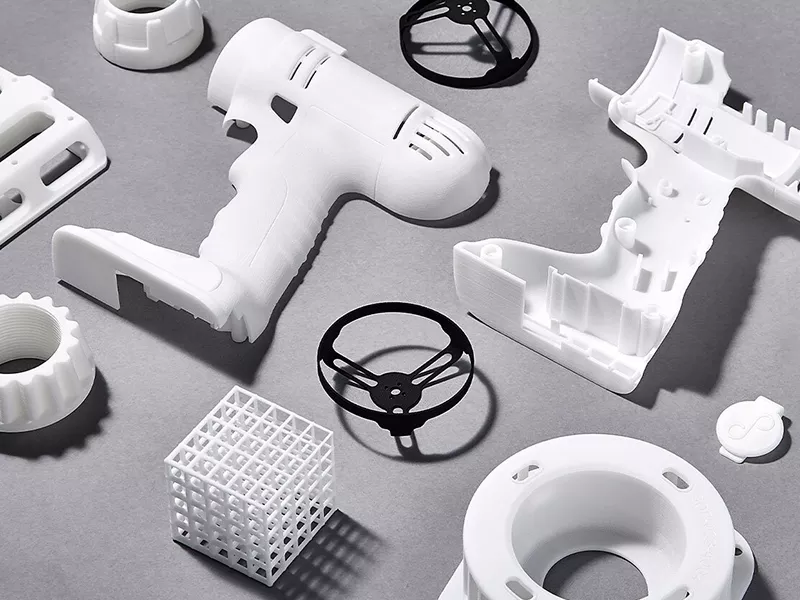
Selective laser sintering (SLS) is an industrial additive manufacturing process that uses high-power lasers to fuse powdered thermoplastic polymers together. The laser selectively sinters the powder particles and binds them together to form a solid structure layer by layer. SLS has the unique ability to nest thousands of parts within machine boundaries without the need for support structures, providing excellent parts throughput. This allows it to be used not only for rapid prototyping but also for high-volume manufacturing of end-use parts. SLS offers 5 high-performance 3D printing materials that offer durability, static dissipative properties, temperature resistance, USP Class VI biocompatibility, and/or flame, smoke toxicity (FST) UL-94 ratings.