3D Printing

Advantages

    。Ultra-fast print speeds
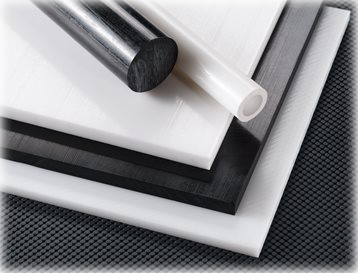
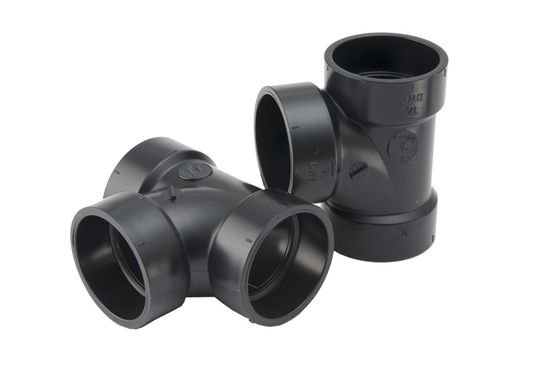
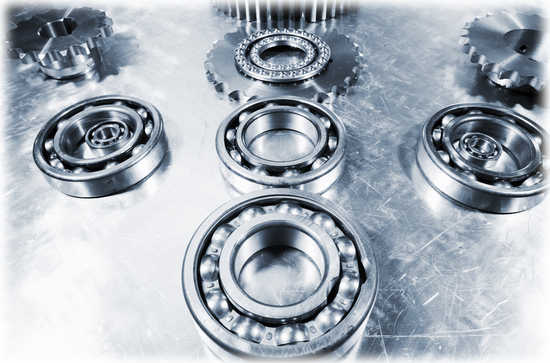
    。A wide range of engineering materials
    。High dimensional accuracy and detail resolution
    。Smooth and natural surface finish
    。High-volume end-use parts

Applications

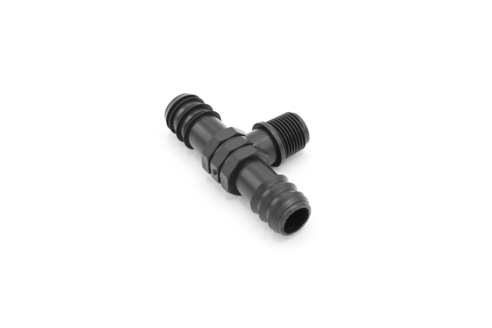
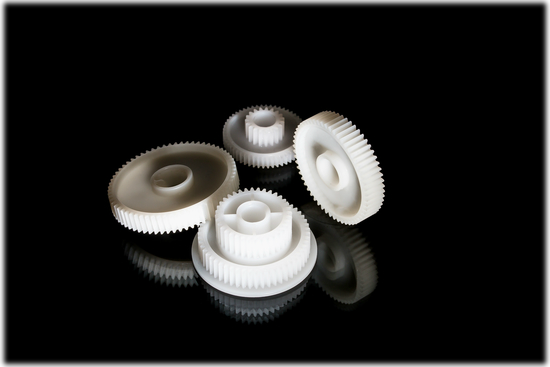
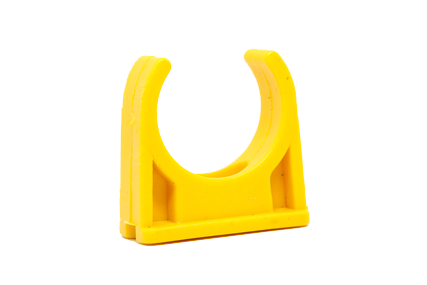
    。Parts made from a variety of materials,

    。including materials that mimic ceramics and rubber,

    。as well as engineered functional resins for the medical,

    。dental, and commercial industries

Production Photopolymer 3D Printing。

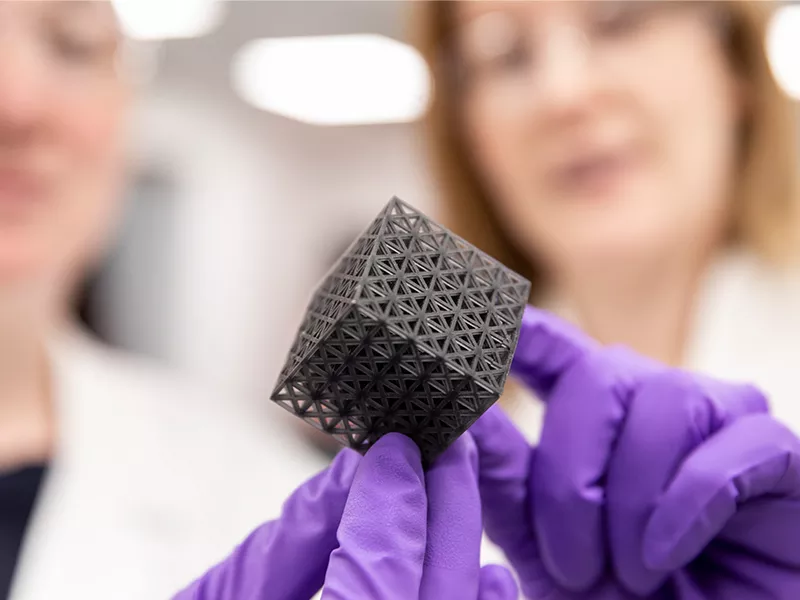
Nexa3D's Lubricant Sublayer Light-Curing (LSPc®) technology provides extremely fast and accurate 3D printing, making it suitable for low- to high-volume production. Get parts made from a variety of materials, including those that mimic ceramics and rubber, as well as engineered functional resins for the medical, dental, and commercial industries. Rapid Manufacturing's facilities use NXE 400Pro and XiP Pro production printers, as well as XiP desktop printers, for low-volume and prototype work.

In addition to traditional printed prototypes, Nexa3D LSPc® and its advanced resins can produce end-use parts, making them an excellent alternative to urethane casting or low-volume injection molding.
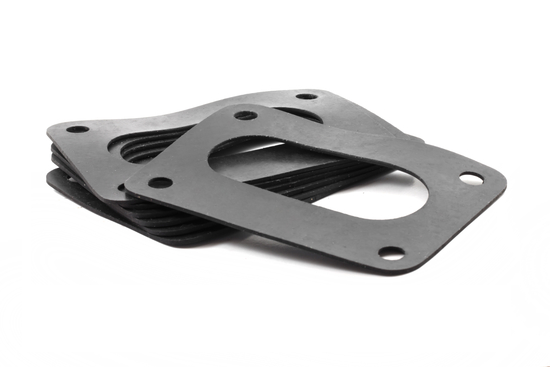
What is Nexa3D LSPc® technology?
LSPc stands for lubricant sublayer light curing and can be classified as one of the mSLA (Mask Stereolithography Equipment) printing processes. This type of printing technology uses an array of LEDs (light-emitting diodes) as a light source and an LCD (liquid crystal diode) photomask to selectively shape the image layers. The image passes through a film on which a layer of photosensitive resin solidifies. As each layer cures, the build platform moves upwards, the resin is replenished, and the next layer begins to solidify, building up parts over time. The key to Nexa3D's LSPc technology is its proprietary Everlast film, which is designed to minimize peel and separation forces during the printing process. Specialty membranes are chemically inert, flexible, and independent of the lubricity of oxygen permeable elements. This allows LSPc technology to print in a wide range of resins with unmatched speed and efficiency.

After printing, the parts are cleaned to remove uncured resin and subjected to final post-curing in a UV light oven. Nexa3D's open materials platform has a large number of engineering resins, most of which do not require any additional post-processing steps other than standard UV curing to achieve final part properties. While similar technologies and their materials, such as carbon DLS, ™ may require additional processing steps and benefit from them, they can lead to longer post-processing times and higher material costs. The efficiency and simplicity of post-processing LSPc® parts is another factor that makes this technology beneficial for high-volume 3D printing and may replace other production methods, such as polyurethane casting or rapid prototyping.

Chose From 100+ Material